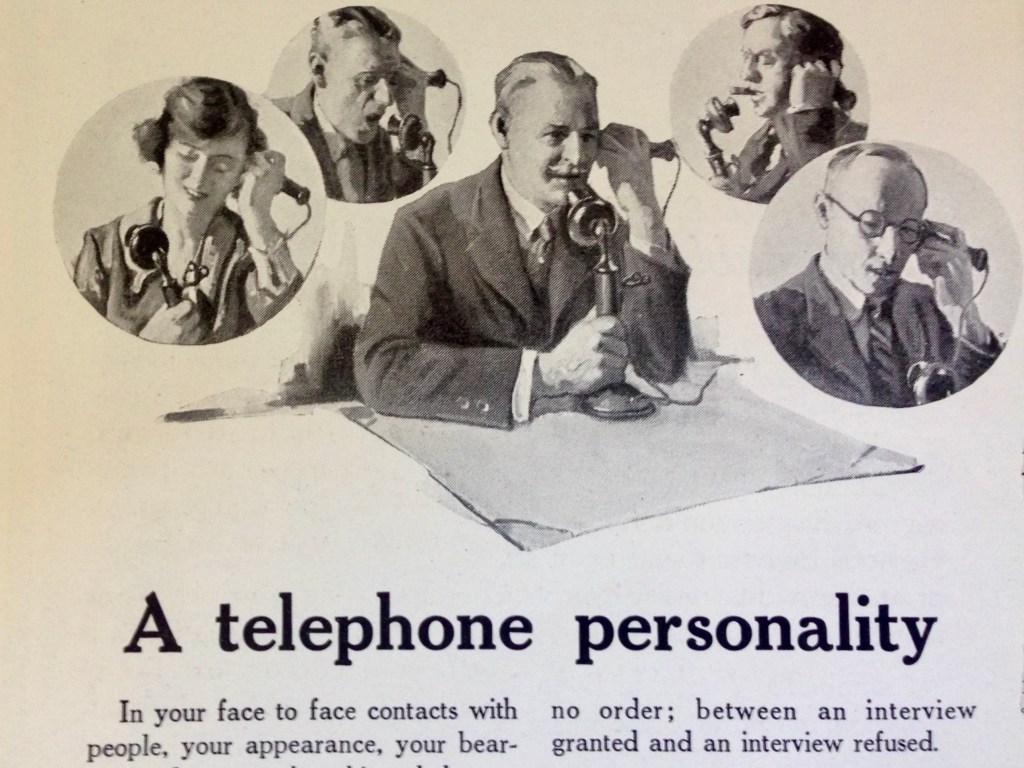
I get a text early this morning from a very dear friend. “Good morning, Blanche. Got your coffee yet? Wanna talk?” This is a ritual I cherish. I text him back. “Gimme ten.” Then, each of us grab a steaming cup and off we go – checking in, sharing stories, making plans. We laugh together or commiserate or bounce ideas off each other. I treasure these conversations.
More and home I hear people say, “Don’t call me, just send a text. I don’t like to talk.” People tell me to text them. But then they never text back. I get it. We’re all busy and we don’t always feel like talking on the phone, or we just don’t have time. Only, lately I’ve noticed people say they don’t like for anyone to call. They don’t want to talk. They say they don’t want to have to talk. Perhaps it will become what is considered the popular way to feel. I suppose that’s how it works.
I have a funny feeling though. Maybe this isn’t necessarily good for us. Remember the pandemic? The lock-down? We were so lonely! We were desperate to talk. We learned how stressful, how unhealthy it can be to isolate ourselves. We became anxious and depressed. We took advantage of tools like FaceTime that allowed us to check in with each other, to take care of each other. And have you noticed, too, that the more we back away from communication, the less inclined we are to seek it?
Turns out there is a college in the UK that offers a course where students learn to make a phone call. They can learn to call shops to ask basic questions. They can learn how to navigate a call with a prospective employer. Basically, they learn to be polite and clear. (Parents used to assume this responsibility and I remember feeling so grown up if I picked up a call and took a message for my mom or dad.) Now institutions of learning — and probably therapists — are beginning to deal with a rise in what’s being called, “Telephobia.” That’s the term being used to describe the fear of making a phone call.
I wonder about this very specific expression of our otherwise common anxiety. We all know the statistics. Younger people are very likely to suffer some form of angst. (From the German: “dread.”) One of my friends suggested it’s not the anxiety getting in the way, it’s the relationship that’s been formed with the anxiety. That perhaps the fear is part of who they’ve allowed themselves to become. As if reaching out and talking contains the risk of finding out that we somehow might not fit in. Actually, phoning a stranger, or even someone we know well, and talking with them is the way we can discover that our feelings are not all that unique. Even calling a business can reveal the crazy truth that the person on the other end is just like me, just another person dealing with life.
Conversation is a skill and, like anything else, we can quickly lose our facility to communicate clearly, politely, constructively, when we stop practicing it. We become less aware of subtle social cues. We begin to feel less comfortable talking with others and soon, less comfortable with our own silence. What does it say about a person’s feeling of self-worth if they don’t think they can manage talking to another person? We risk missing out on the benefit of the insight, humor, or empathy we crave and deserve. More concerning, we lose a valuable source of emotional support.
It’s easy to spot a person who doesn’t talk to friends or family or even acquaintances often enough. They turn into that person nobody is comfortable with, that person nobody wants to talk with. They don’t know what to say so they say the wrong thing, or they feel they have to dominate the conversation, or else say nothing at all. The loneliness of this anxiety betrays our natural inclination to communicate, commiserate, or even celebrate effectively, naturally. And wouldn’t it seem that, if a person is coping with anxiety what they need more than anything is to know someone else is there?
There is a term we use in education – acquired helplessness. When we’re uncomfortable with something, when something is hard for us, we stop doing it. We decide we are incapable, and our helplessness becomes our escape. I know a wonderful teacher who says to her children, “We can do hard things.” I love it. It means that, ultimately, our relationships with people around us are more important than our relationship to our fear.
In my family, talking on the phone is communion. Everything else stops when it’s time to catch up with one of my siblings. My brother will tell me funny stories about his dog, and I’ll let him in on the latest cat antics at my house. My older sister will FaceTime with me and show me her latest quilting accomplishment or her holiday decorations. There used to be a couple more of us – five in all. We all took time to keep in touch. (What a wonderful and rich phrase that is. It means to maintain contact – only keep in touch feels so much more personal.) One of my sisters was a phone champ. She was always one for a conversation. Losing the ability to talk with her meant a significant gulf for all of us. Same with my mom. After she was gone, I was furious at my phone for months because it simply refused to bring her voice to me.
I guess this is all I really want to say. People care about you. They probably want to talk with you. And it may be hard or poorly timed, or it may be a blast. You might even get some help answering a question that’s been bugging you like how to make a perfect tamale or what the heck this new pain in my hip is about. They might need your help too and you’ll never know until you ask. Someday though, it really won’t be possible. So maybe it’s time to make that call.


 elizabethlevett
Leave a comment