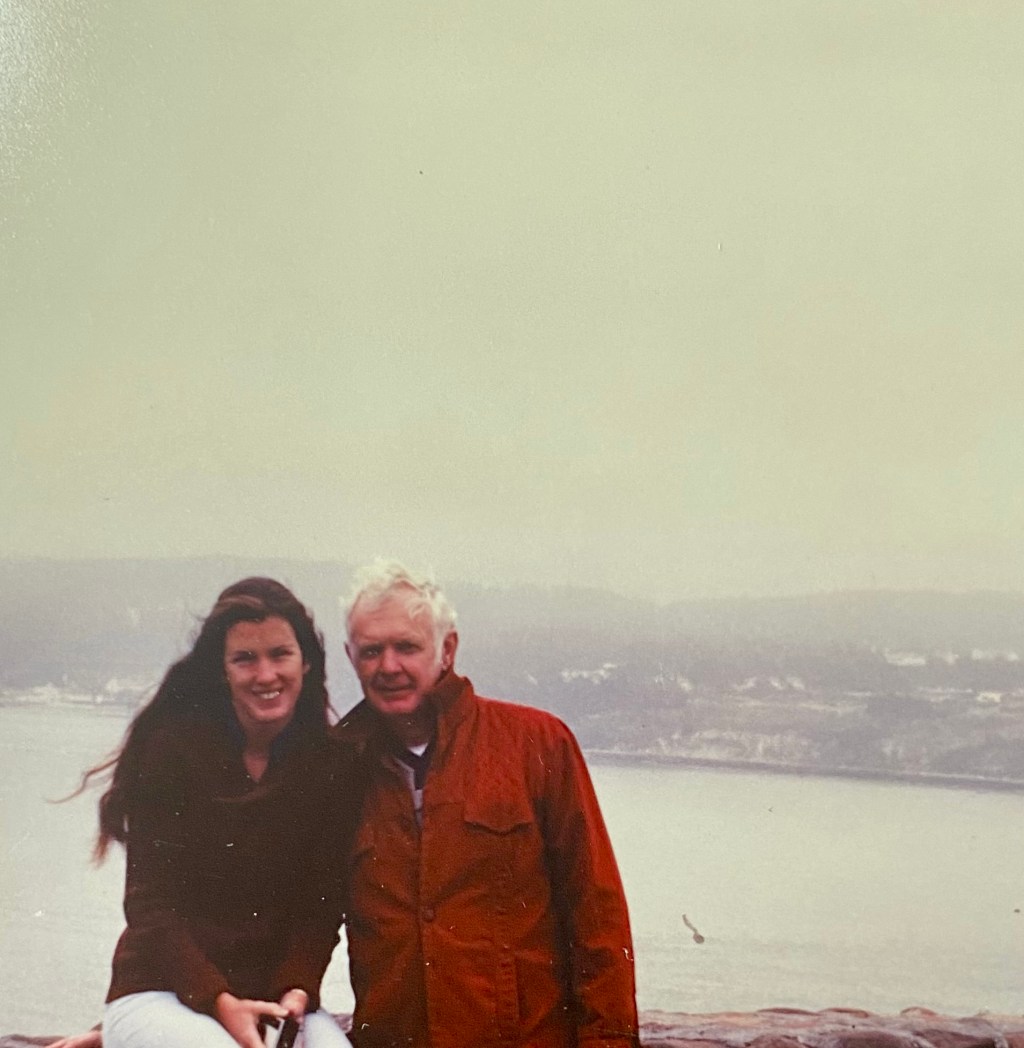
“Fathers are a sorry lot.” My dad used to say this. We took it lightly, as if it was his own self-deprecating joke. If he’d meant it to be true, we couldn’t have proved it by anything he said or did. My dad became a father in 1947 and remained deeply committed to this chosen mission until his death in 1988. Over the course of those decades he steered five souls through countless changes and often bewildering phases. Somehow he always made us feel valued, cherished, respected. No matter what we might have been going through, we knew he was on our side, rooting for us.
We had a pretty simple, working class home life. There were cookouts in the summer and presents under the tree. We had to make do at times with off-brand groceries and hand-me-downs, but we knew that home was a safe place, a place where we could become ourselves in our own time. Meal times were informal and warm. We shared our stories and laughed at my father’s jokes — my mom supplying the punch line before he could finish. And so it was that we eventually grew up.
When I was thirteen, I had a classmate who made puberty look unendurable. We’ll call her Kristin. She was taller than most of the girls, awkward, and a little curvy before the rest of us. She always seemed a little sad to me, and definitely not thrilled with her body. Remember when you were thirteen? You didn’t know what was happening but it was strange. “Will I be pretty? Will I be rich?” It’s terrifying. You’re unsure of yourself, sometimes moody, desperate for approval. It’s a very sacred time of transition. But you don’t quite understand that yet.
One day, Kristin invited me to her house for dinner. This was a big deal for me since her family was much more affluent than mine. Rich people live in two-story houses and eat steaks and those foil-wrapped potatoes with real butter. They even throw their left-overs away after they’re done. Rich people have fancy dishes for everyday dinners, even nicer than the plates and forks we’d only take out for holidays. I was determined to make a good impression.
Kristin’s mother was a petite, slender blond. Fashion-model pretty, dressed up, made up, and manicured, without seeming at all interested in smiling, laughing, or engaging with a wide-eyed guest. Her dad was an accomplished engineer and demonstrably sure of himself. It was a stark contrast to my family with our hamburger patties, brown bread served with margarine, mashed potatoes from the box, and canned green beans, our laughter at the table, our parents in the same clothes they’d worn all day — Dad’s grey uniform and mom’s stretchy blue pants. Sitting down for dinner at Kristin’s house, I was impressed and uncomfortable all at the same time, and had absolutely no idea how to act or what to say.
At one point during dinner, Kristin’s dad looked over at me very seriously. “How do you stay so slim?” he asked me. “How do you stay so slim? Kristin has a real problem with her weight.” I was thirteen, a seventh grade kid with freckles and a chipped tooth from flying over my handlebars. I had no idea how to respond. Kristin stared at her plate. Her mom, unconcerned, continued to stab little bits of steak before looking up at me for some answer. I don’t know what I said, if anything. Maybe I mentioned something about being on the swim team. I definitely remember the awkward silence and Kristin’s obvious embarrassment. The most shameful thing about this moment from my part though is that I believe I must have felt flattered. That a handsome, well to do, male adult approved of my looks, of my body.
Now, remembering suddenly, all these years later, the moment sickens me. This man chose dinner time to compare a child he barely knew with his own daughter and to speak so casually about her body. I can’t believe he could be so cruel. I can’t accept the reality that her mother didn’t speak up, that she could be so preoccupied as to ignore her daughter’s suffering, to accept it, and to accept her husband’s insensitivity. I want to believe that somehow Kristin was okay, is okay, but I can’t help but imagine that part of her is not.
What I would like to do is hurt this man. He caused a delicate soul to feel shame for who she was, who she might become when should have known better. He should have known what power a dad can have and how best to use that strength to shine a light on his kids. He should have known how blindsided children are when someone we count on, someone we look up to takes advantage of our fear, our vulnerability. If I could, I’d like to rent a billboard and plaster the truth about this man all along the highway so everyone could see it. I wish I could flip a switch and finally every kid would know we’d believe them, hear them, and see their goodness and their potential. Better yet, I really wished I’d talked to my own father about it. I wish I’d known to speak up, to find words at thirteen to let my parents know that the heart of a child was in peril. I have a feeling my dad could have talked (or knocked) some sense into this fool.
Finally, I wish I could go back so I could let my father know how much his care, his strength of character, and his sensitivity meant to all of us. There were so many times when we had no idea just how lucky we were. You were right, Dad. Some fathers are indeed a sorry, sorry lot. But not you.


Leave a Reply